
"Angola coffee production"
400 article(s) found

Coffee from Angola
Angola is the fourth largest coffee industry in the world, but it produces only a small amount of Arabica coffee and is of high quality. The origin of coffee in Angola: 98% of the coffee in Angola (Angola) is Roberts coffee. The former best brands in Angola are Ambriz, Amborm and NovoRedondo, all of which are known for their consistent quality

Description of Flavor and Grinding degree of Angola Coffee Bean introduction to the taste producing area of varieties
In the 1970s, Angola produced about 180000 tons of commercial coffee per year. With an area of 161000 hectares and an annual output of 99550 tons, Uige Province is the largest coffee grower.
Angolan Coffee Tree Angolan Coffee Price
Angola is located in southwest Africa, with the capital Luanda, the western Atlantic Ocean, the Democratic Republic of the Congo to the north and northeast, Namibia to the south and Zambia to the southeast, and an outer enclave of Cabinda province bordering the Republic of the Congo and the Democratic Republic of the Congo. The Angolan economy is dominated by agriculture and minerals, as well as oil refiners.

Boutique coffee bean production introduces Angolan coffee
Angola is the fourth largest coffee industry in the world, but it produces only a small amount of Arabica coffee and is of high quality. The origin of coffee in Angola: 98% of the coffee in Angola (Angola) is Roberts coffee. The former best brands in Angola are Ambriz, Amborm and NovoRedondo, all of which are known for their consistent quality

Angola Coffee Bean Price Flavor Description Grind Treatment Growing Environment Introduction
In the 1970s, commercial coffee production in Angola was about 180,000 tons per year. Uige Province coffee cultivation area of 161,000 hectares, annual output of 99,550 tons, is the largest coffee cultivation

Angola is the fourth largest coffee industry in the world
Angola Angola is the fourth largest coffee industrial country in the world, but only produces a small amount of Arabica coffee, which is of high quality. Angola coffee origin: 98% of Angola coffee is Robett coffee. The best brands in Angola were Ambriz, Amborm and NovoRedondo, all with consistent quality

Introduction to the cultivation of Angolan coffee beans _ price of Angolan coffee _ is Angolan coffee good?
Professional coffee knowledge exchange more coffee bean information please follow the coffee workshop (Wechat official account cafe_style) Angola has grown coffee for more than 100 years, is the fourth largest coffee industry in the world, and its output ranked first in Africa until 1960. In the mid-1970s, 98% of Angola's annual coffee exports are Robbins, making it the best quality coffee in Africa.

Coffee plantations in Angola, screening conditions for coffee beans in Angola
Following Cafe (official Wechat account vdailycom) found that the Beautiful Cafe has opened a small shop of its own to grow and produce Angolan coffee mainly in Kwanza Sul Kwanza Sul, Kwanza Norte Kwanza Norte, Uge Uige Province, and a total of 10 other provinces, such as Cabinda, Huambo, Biye, Benguela and so on. The selection of coffee beans is very strict: the size is one.

Global Coffee Producing Area-Angola Angola Coffee Market
Angola is the fourth largest coffee producer in the world, but it produces only a small amount of Arabica coffee, which is of high quality. Angola coffee origin: 98% of Angola's coffee is Robett coffee. Angola's best brands used to be Ambriz, Amborm and NovoRedondo, all known for consistent quality
The main producing area of Angolan coffee the characteristics of Angolan coffee
Professional coffee knowledge exchange more coffee bean information please follow Coffee Workshop (Wechat official account cafe_style) Angola (Angola) Angola is one of the fourth largest coffee producers in the world. Between 1975 and 1976, the country produced 1 million bags of coffee a year, most of which were exported. However, thirty years of civil war has caused great damage to the people and economy of this country.
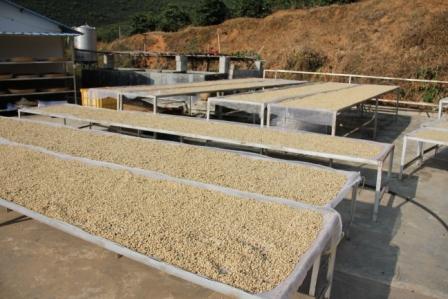
The characteristic coffee of Arabica beans Angola coffee beans
Angola, once a big coffee producer, now has an uncertain future. In the mid-1970s, Angola (Angola) exported 3.5 million bags of coffee a year, 98 per cent of which was Robbins (probably the best in Africa), but total production fell to 200000 bags in 1990. The best brands in Angola used to be Ambriz, Amborm, and New

Arabica Coffee beans introduce the characteristics of Arabica coffee beans Angola
Angola, once a big coffee producer, now has an uncertain future. In the mid-1970s, Angola (Angola) exported 3.5 million bags of coffee a year, 98 per cent of which was Robbins (probably the best in Africa), but total production fell to 200000 bags in 1990. The best brands in Angola used to be Ambriz, Amborm, and New

Coffee producing areas in Angola, coffee characteristics in Angola
Follow the caf é (official Wechat account vdailycom) and found that the Cafe Beautiful has opened a small shop of its own in Angola where coffee is produced: 98% of the coffee in Angola (Angola) is Roberts. The best brands in Angola used to be Ambriz, Amborm and NovoRedondo, all of which are known for their consistent quality. Ann
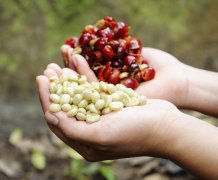
Angola used to be a big coffee producer, but now its future is uncertain.
Angola, once a big coffee producer, exported 3.5 million bags of coffee a year in the mid-1970s, 98 per cent of which was Roberts (probably the best in Africa), but total production fell to 200000 bags in 1990. The best brands in Angola used to be Ambriz, Amborm and Xinli

Introduction to the characteristics of Flavor description treatment of Angora Coffee Bean
In 1575, the Portuguese began to occupy areas south of the Congo, established the city of Luanda, and conquered several indigenous tribes, allowing whites to slowly emigrate to Angola. Over the next 50 years, the Portuguese gradually expanded their territory. In 1617, Portugal established the city of Benguela in Angola, which became more stable and established Portugal's territory in Angola ever since.

The Best Robusta Coffee beans in Africa History of Fine Coffee in Angola
Professional baristas follow the Coffee Workshop (Wechat official account cafe_style) Angola was once a big coffee producer. In the mid-1970s, Angola (Angola) exported 3.5 million bags of coffee a year, 98 per cent of which were robusta (which may be the best robusta coffee in Africa). In 1990, total production fell to 200000 bags. Before Angola

An introduction to the History of growing Coffee beans in Angola
Following Cafe (official Wechat account vdailycom) found that coffee revenue was once one of the main sources of revenue for the Angolan treasury, and coffee production provided a large number of jobs in the country. Before the independence of Angola, coffee growers produced 5000 tons of coffee beans per year. In order to increase coffee production, the country needs to provide more production tools,

What is the annual output of Angolan coffee? Small farmers growing coffee in Angola
Professional coffee knowledge exchange more coffee bean information follow coffee workshop (Wechat official account cafe_style) Joao Neto said the government plans to start investing 130 million US dollars in the coffee industry in 2010 and provide 150 million US dollars in low-interest loans to farmers who invest in the coffee industry. Our goal is to increase coffee production to pre-civil war levels, Joao Neto said.

The coffee producing area of Angola.
Angola is the fourth largest coffee industry in the world, but it produces only a small amount of Arabica coffee and is of high quality. The origin of coffee in Angola: 98% of the coffee in Angola (Angola) is Roberts coffee. The former best brands in Angola are Ambriz, Amborm and NovoRedondo, all of which are known for their consistent quality

Angola, once a big coffee producer.
Once a big coffee producer, the future is now uncertain. In the mid-1970s, Angola exported 3.5 million bags of coffee a year, 98 per cent of which was Roberts (probably the best in Africa), but total production fell to 200000 bags in 1990. The best brands in Angola used to be Ambriz, Amborm and Novo